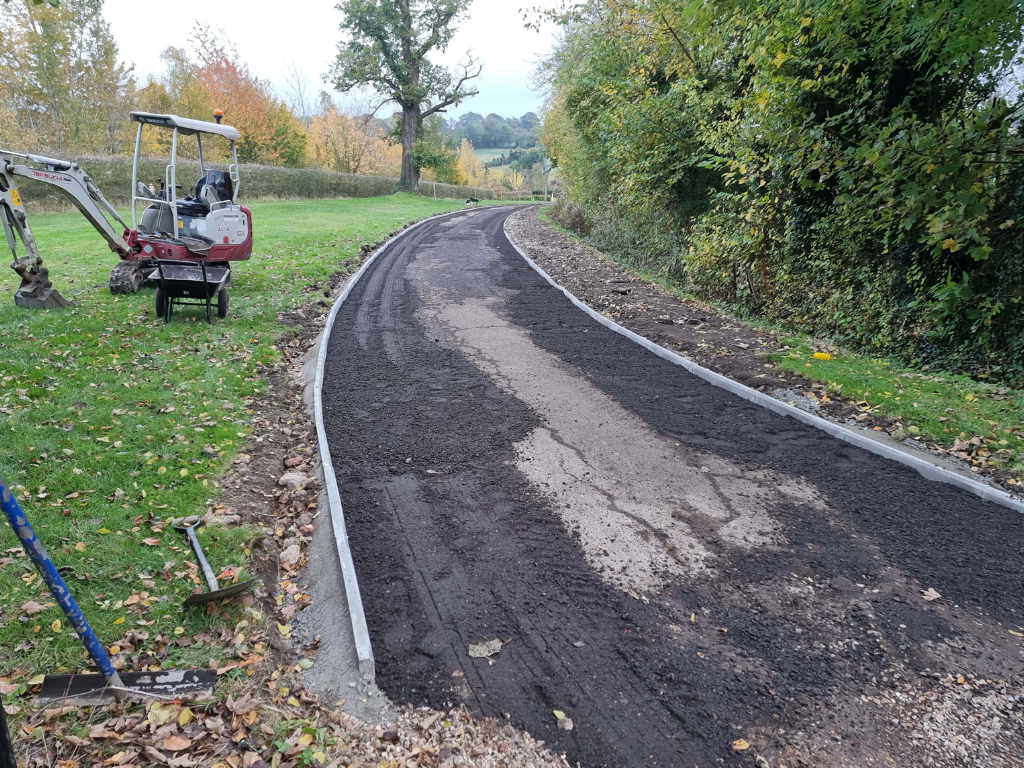
Agricultural Tarmac Surfacing: Improving Access Around Farms and Rural Properties
Reliable access is essential for farms and rural properties, where vehicles need to move safely between entrances, storage buildings, working areas and loading points. Uneven ground, muddy tracks and poor drainage can make everyday journeys difficult, particularly during wet weather. Agricultural tarmac surfacing offers a practical way to create a more consistent surface suited to the demands of a working rural property.
For landowners and farm operators in Wymondham, Norfolk, choosing an appropriate surfacing solution can help improve accessibility, simplify site maintenance and support the smooth running of daily activities.
Why Agricultural Access Roads Need Careful Planning
Farm access routes often experience different demands from standard residential driveways. Tractors, agricultural machinery, delivery vehicles and cars may all use the same entrance or track, sometimes carrying heavy loads or travelling repeatedly along the same sections.
Without a suitable surface, regular traffic can contribute to ruts, loose material, muddy patches and uneven ground. These conditions may make manoeuvring more difficult and increase the amount of ongoing maintenance required.
Before installing tarmac, it is important to consider how the route will be used, the type of vehicles it must accommodate and the condition of the existing ground. Good planning helps ensure that the finished surface is appropriate for the site’s practical requirements.
The Benefits of Agricultural Tarmac Surfacing
Tarmac can provide a durable, relatively smooth surface when it is designed and installed correctly. Its suitability depends on the expected traffic, ground conditions, drainage and quality of construction.
Improved Vehicle Access
A properly constructed tarmac surface can provide a more consistent route for vehicles travelling between different parts of a farm or rural property. This can be particularly useful around entrances, yards, storage buildings and regularly used access roads.
Reducing uneven patches and loose surface material can also make routine vehicle movements more straightforward.
A More Manageable Surface in Wet Weather
Unsurfaced tracks can become muddy and difficult to navigate after rainfall. A suitable tarmac surface helps provide a defined running area, although effective drainage remains essential to prevent standing water and protect the underlying construction.
The surface should be designed with appropriate levels and falls so that rainwater can drain away rather than collect in low spots.
Easier Routine Maintenance
Loose gravel and soil may require repeated attention where vehicles frequently pass. Tarmac can reduce some of these maintenance demands by providing a consolidated surface.
Regular inspections are still important. Cracks, damaged edges and areas where water collects should be addressed before deterioration spreads.
Ground Preparation and Sub-Base Construction
The long-term performance of agricultural tarmac depends heavily on the preparation beneath it. Laying tarmac over weak, uneven or poorly drained ground can lead to movement, rutting and premature surface damage.
The existing ground should be assessed before work begins. Depending on its condition, preparation may involve removing unsuitable material, establishing the correct levels and installing a suitable sub-base.
The foundation must be appropriate for the anticipated vehicle loads. A route used mainly by cars and light vans may have different requirements from one regularly used by loaded tractors or heavy delivery vehicles.
Careful preparation helps distribute loads more effectively and provides a stable base for the finished surface.
Designing Farm Entrances, Yards and Access Routes
Agricultural tarmac surfacing should reflect the layout and activities of the property. A well-planned design considers how vehicles enter, turn, pass one another and reach working areas.
Important points include:
- Road width: Allow sufficient space for the vehicles and machinery that regularly use the route.
- Turning areas: Consider where larger vehicles need to manoeuvre without damaging surface edges.
- Drainage: Plan suitable gradients and drainage arrangements to prevent water from collecting.
- Surface transitions: Create practical connections between the tarmac and adjoining yards, tracks or entrances.
- Traffic patterns: Identify sections that experience repeated heavy loading or concentrated turning movements.
Addressing these details at the planning stage helps create a surface that supports everyday use rather than simply improving the appearance of the site.
Maintaining Agricultural Tarmac
Even a well-installed surface benefits from regular care. Farm roads may be exposed to heavy traffic, changing weather and debris brought in by agricultural machinery.
Periodic checks can help identify early signs of wear, including cracks, loose edges, depressions and standing water. Keeping drainage channels clear and addressing minor defects promptly can help protect the surface and its supporting layers.
Where damage repeatedly appears in the same location, the underlying cause should be investigated. Weak ground, poor drainage or loads beyond the original design may need attention before repairs can provide a lasting improvement.
Agricultural Tarmac Surfacing in Wymondham, Norfolk
Wymondham Driveway Contractors provides surfacing services for property owners looking to improve access and create practical outdoor surfaces. For agricultural and rural properties, the appropriate approach depends on the condition of the site, the expected traffic and the layout of the access route.
From farm entrances to frequently used internal roads, careful planning and proper preparation are important for achieving a durable, functional finish.
Conclusion
Agricultural tarmac surfacing can improve access around farms and rural properties by providing a consistent surface for regular vehicle movements. Its performance depends on suitable ground preparation, appropriate construction, effective drainage and ongoing maintenance.
For farm owners and rural property managers in Wymondham, Norfolk, choosing a surface that reflects the demands of the site can help support reliable access throughout the year. Contact Wymondham Driveway Contractors to discuss your agricultural tarmac surfacing requirements and arrange an assessment.
Call us on: 01953 660 780
Click here to find out more about Wymondham Driveway Contractors
Click here to complete our contact form and see how we can help with your driveway needs.